Posts

Showing posts with the label paradox

Omnipotence and Omniscience Paradoxes Refuted
Image
Omnipotence and Omniscience Paradoxes Refuted     Paradoxes are apparent and not actual contradictory realities such that there is an argument to sustain it without contradicting the laws of logic. Therefore, the conclusion of a paradox seems illogical on the surface but the argument to back it is logical. One of the most famous paradoxes presented in the theological realm is the Paradox of the Stone also known as the Omnipotence Paradox. Paradoxes in theology attempt to create tension in their conception of God through an apparent contradiction such that it could be possible to accept absurd conclusions about the divine nature. This may be with positing there is a contradiction within God’s omnipotence or it could be with multiple attributes or an attribute with our human experience of the world such as the Problem of Evil existing with God being infinitely merciful (this is refuted in a different blog post). In this case, the Paradox of the Stone is an example of the first t...
The Paradox of Multiplicity in Divine Simplicity

Image
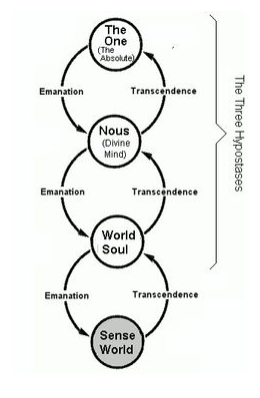
The Paradox of Multiplicity in Divine Simplicity According to many Aristotelian philosophers, all bodies have the inseparable property of motion and it does not proceed from the nature of bodies themselves and thus motion demands an external source or a prime mover. The series of moving causes must stop at an immovable object that moves everything else to avoid an infinite regress of movers. This first mover is God. Since the transition from non-existence to existence is a form of motion and motion requires matter then God must be immaterial and eternal while all things created by it are material and in motion. God is free from matter and therefore is free from motion and therefore cannot change and therefore is pure act ( actus purus ) and also therefore God must be completely simple as God is not made of parts. Now the question is in regards to creation, how can the many be created by one or how can something like God who is completely simple create multiplicity or how can a single c...